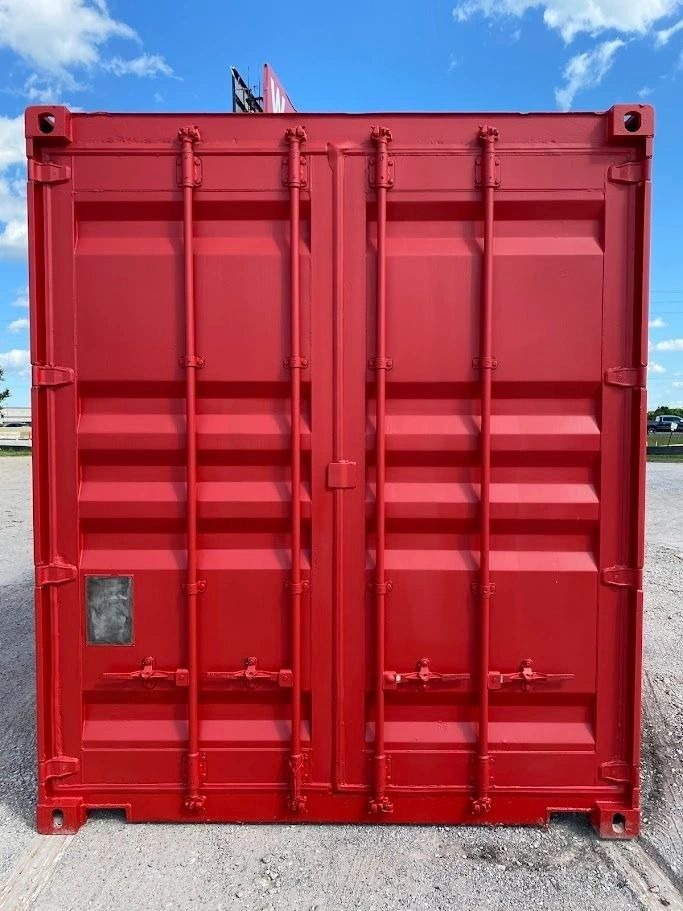
Understanding the 45 Feet Container Size: Key Insights and Considerations
On the planet of shipping and logistics, container sizes play an essential role in guaranteeing efficiency and cost-effectiveness. Amongst the different container sizes offered, the 45 feet container has actually acquired appeal, specifically for transporting extra-large shipments. This article checks out the requirements, benefits, utilizes, and other pertinent details of the 45 feet container, supplying important insights for businesses and individuals included in shipping.
Overview of Container Sizes
Containers are important for the transport of products across land and sea. They are available in standard sizes, generally 20 feet, 40 feet, and 45 feet. Understanding the dimensions and capabilities of these containers helps in making informed decisions for shipping functions.
Specifications of a 45 Feet Container
Here is a comprehensive table outlining the general dimensions and specifications of a 45 feet shipping container:
| Specification | Dimensions (Feet) | Dimensions (Meters) | Cubic Capacity | Max Payload |
|---|---|---|---|---|
| External Length | 45 | 13.72 | 3,040 cu ft | 30,480 kg |
| External Width | 8 | 2.44 | ||
| External Height | 8.5 | 2.59 | ||
| Internal Length | 44.5 | 13.56 | ||
| Internal Width | 7.7 | 2.35 | ||
| Internal Height | 8.4 | 2.54 |
Types of 45 Feet Containers
45 feet containers are versatile and come in numerous types to satisfy various shipping needs. Here's a list of the typical types:
- Standard 45 Feet Container: Generally used for general cargo and extensively acknowledged as the standard shipping container.
- 45 Feet High Cube Container: This variation has extra height, using more internal area for carrying bigger products.
- Reefer 45 Feet Container: A cooled container developed to carry temperature-sensitive cargo, perfect for food and pharmaceuticals.
- Open Top 45 Feet Container: Perfect for extra-large cargo that can not fit in standard containers, it includes removable tarpaulins.
- Flat Rack 45 Feet Container: This container has no sides or roof, making it appropriate for heavy machinery and large products.
Benefits of Using a 45 Feet Container
Selecting a 45 feet container offers a number of benefits:
- Increased Capacity: The bigger size permits for more products to be delivered at the same time, reducing the number of journeys required.
- Flexibility: Suitable for numerous types of cargo, from large equipment to disposable goods, thanks to different variations.
- Cost-Effectiveness: By making the most of each shipment's capability, businesses can reduce total shipping costs.
- Intermodal Efficiency: The standard dimensions allow simple transfer between ships, trains, and trucks, facilitating smooth logistics.
Common Uses for 45 Feet Containers
The 45 feet container is versatile and suitable for a series of applications:
- Transporting Machinery: Ideal for shipping large industrial devices.
- Building Supplies: Commonly used to move structure materials like steel beams and heavy tools.
- Family Goods: Useful for moving large inventories during residential relocations.
- Exporting Goods: Popular in global trade for shipping different products.
- Food Storage: Reefer containers are fantastic for protecting disposable items during transit.
Regularly Asked Questions (FAQ)
1. How much weight can a 45 feet container hold?A standard 45 feet
container usually has an optimum payload capability of around 30,480 kg(67,200 lbs ). However, precise limitations can vary depending on the container's design and structural integrity. 2. What is the difference in between a 45 feet basic
container and a high cube container? 45ft Container For Sale is height. High cube containers offer an additional foot of height
, enabling additional storage volume, making them ideal for taller products. 3. Are 45 feet containers suitable for shipping international goods?Yes! They are commonly used in global
shipping and adhere to basic dimensions, making them simple to transfer throughout various modes of transport. 4. Can 45 feet containers be stacked?Yes, 45 feet containers are designed to be stacked firmly, both on ships and in storage facilities, maximizing area efficiency.
5. How are 45 feet containers packed and unloaded?Containers are
typically packed and unloaded using cranes or forklifts. For specialized containers like flat racks, cargo might need additional handling
devices. The 45 feet container stands out as an effective option for numerous shipping requirements. With its sufficient capacity, adaptability, and versatility, services included in logistics and transport can leverage this container size to improve their shipping strategies. Whether one is shipping equipment, household products, or temperature-sensitive products, the 45 feet container offers a practical service that can optimize shipping processes while providing expense savings. By comprehending the specs, benefits, and applications of these containers, businesses can make better-informed choices that fit their operational requirements. For those seeking to increase shipment performance or expand their logistics operations, thinking about the 45 feet container might be a significant advance.